
 Technology
Increase the number of reservations of your restaurant with Google
The Reservation and Customer Relation Management Tool Reservation.Tools become an official partner of “Reserve with Google”.
12/29/2025

A guest's experience of your restaurant starts before they taste anything. It starts the moment they walk through the door. Whether they feel welcomed, ignored, or rushed in those first ten seconds sets the tone for the entire meal — and it's almost entirely in the host's hands.
Most restaurants treat the host stand as a podium for looking up reservations. The best ones treat it as the front line of hospitality. The difference shows up in tips, reviews, and whether guests come back.
Look up from the screen
The single biggest mistake: the host is staring at the reservation book or tablet when a guest walks in. Even one second of eye contact, a smile, and a greeting before checking the system changes the whole interaction. It says "I see you" before anything else.
Use the guest's name — if you have it
Reservations come with names. Use them. "Welcome back, Mr. Ivanov — your table is ready" beats "Reservation for two?" every single time. With a CRM that shows previous visits, the host can also notice a regular and acknowledge it. This is where guest profiles pay for themselves.
Lead, don't point
Never say "your table is over there." Walk the guest to the table, pull out the chair if appropriate, hand them the menu with a warm line about the specials or the room. A guided walk to the table is a moment of theatre; pointing is a shrug.
Handle the wait honestly
If the table isn't ready, don't say "just a minute." Say "we'll have your table ready in about six minutes — can I offer you a drink at the bar while you wait?" Specific beats vague. A hard number they can plan against beats a soft promise they can't.
Never make a guest feel like a problem
Walk-in when full, wrong reservation time, party-size change, a name you can't find — these are all opportunities for the host to shine. The script is never "there's nothing I can do." It's "let me see what I can do" followed by a real effort.
What to train and measure
A great host doesn't need a personality transplant. They need a few habits, practiced until automatic. Every guest walking in is a chance to make someone's evening better. Reservation.Tools surfaces guest names, visit history, and notes the moment a booking lands — so the host has everything they need to make those first ten seconds count.
TechnologyThe Reservation and Customer Relation Management Tool Reservation.Tools become an official partner of “Reserve with Google”.
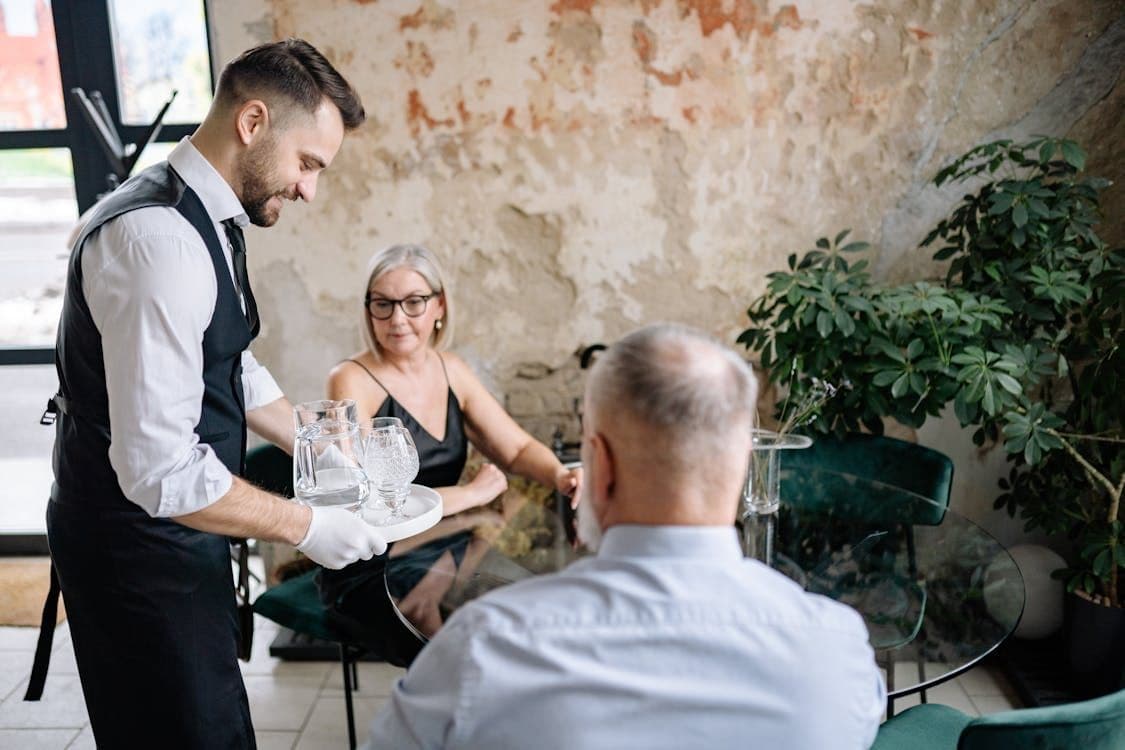
How to manage effectively the customer relationship for your restaurant
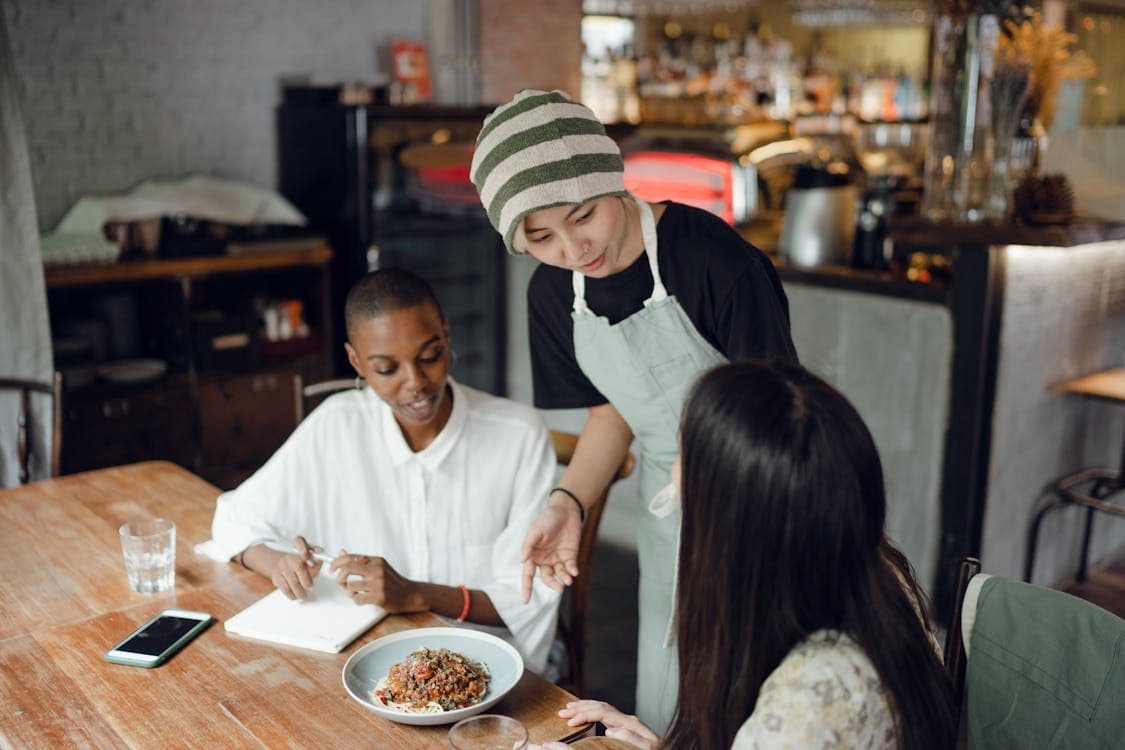
Direct communication with customers
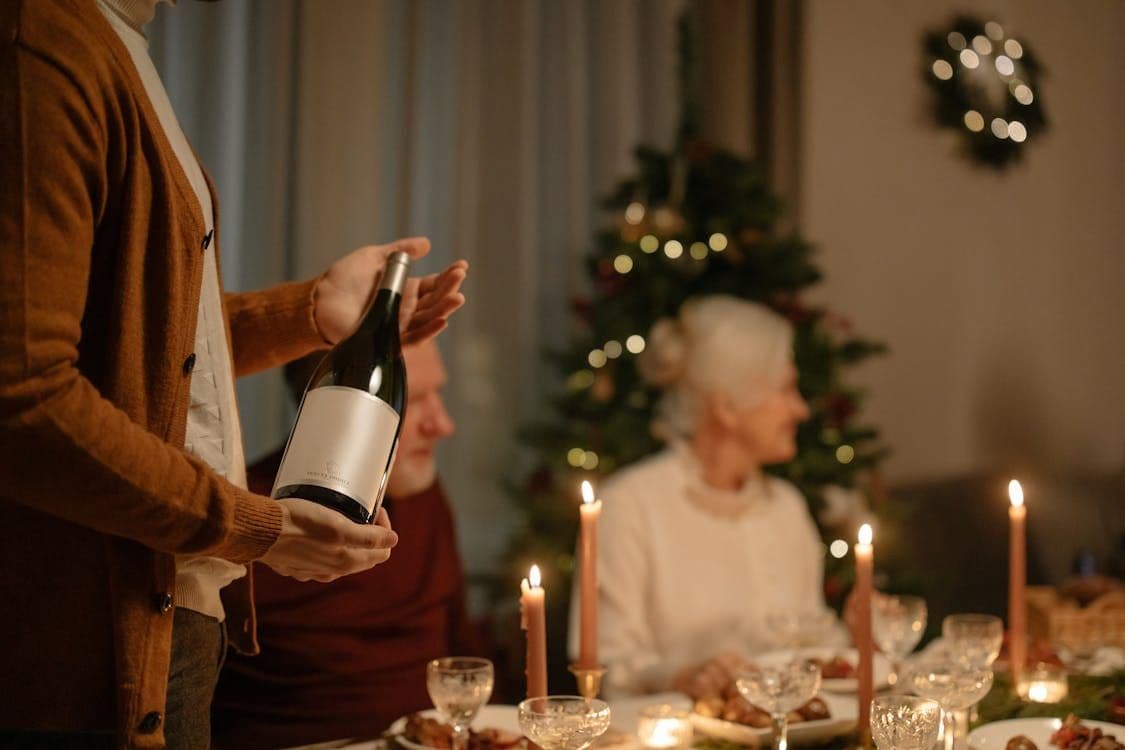
How to launch a Christmas charity initiative for your restaurant
Have questions?
 App Store
 Google Play
 Web App