
 Technology
Increase the number of reservations of your restaurant with Google
The Reservation and Customer Relation Management Tool Reservation.Tools become an official partner of “Reserve with Google”.
10/06/2025
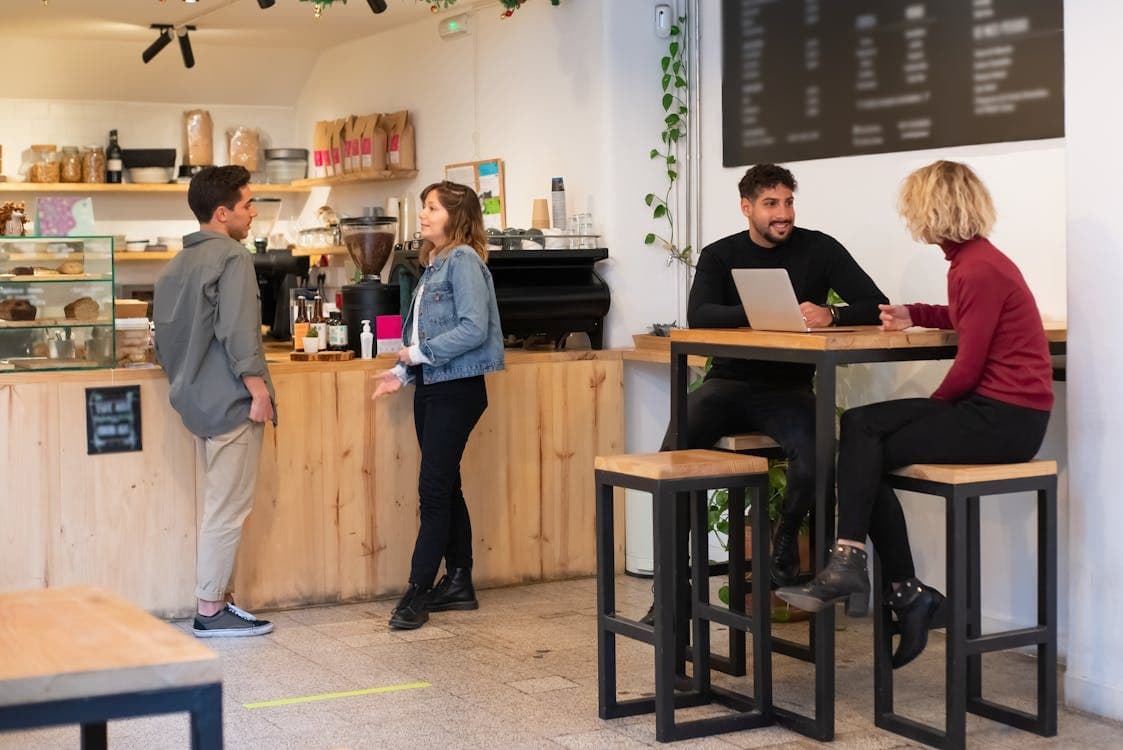
Long before social media feeds, comment sections, and online communities, people gathered in one place to share ideas, opinions, and stories: the coffeehouse. Long before the internet connected the world, coffee did.
The first coffeehouses appeared in the Middle East during the 15th century. They were hubs of conversation, debate, and culture.
In cities like Istanbul, Cairo, and later London, coffeehouses became known as “penny universities,” where for the price of a cup, anyone could join discussions about politics, science, art, and philosophy.
They were open to thinkers, writers, merchants, and ordinary citizens alike, a radical concept at the time.
Before newspapers were widespread, coffeehouses were information centers.
News was read aloud. Letters were shared. Ideas spread from table to table.
If you wanted to know what was happening in the world, you went to the café.
In many ways, these spaces functioned exactly like modern social platforms:
Only the medium was conversation, not screens.
As coffee culture spread across Europe, each city added its own identity.
In Paris, cafés became homes for writers and philosophers.
In Vienna, they became elegant salons of culture and music.
In Italy, espresso bars turned into social checkpoints, quick, energetic, and communal.
Across centuries, the purpose remained the same: connection.
Today’s cafés still serve the same social function, just in a new form.
Laptops replace newspapers.
Phones replace letters.
Wi-Fi replaces word of mouth.
Yet the core idea remains unchanged, people gather in cafés to connect, create, and belong.
In many ways, social media didn’t invent connection.
It simply digitized what coffeehouses had already perfected.
Understanding this history reveals an important truth:
People don’t come to cafés just for coffee.
They come for community.
The most successful modern venues recognize this and design spaces that encourage:
When a restaurant becomes a social hub, it becomes unforgettable.
Long before likes, shares, and stories, there were coffee cups and conversations.
And while technology continues to evolve, one thing remains constant:
people will always seek places that make them feel connected.
That’s the real legacy of the world’s first social networks, and it’s still being written every day, one cup at a time.
TechnologyThe Reservation and Customer Relation Management Tool Reservation.Tools become an official partner of “Reserve with Google”.
How to manage effectively the customer relationship for your restaurant
Direct communication with customers

How to launch a Christmas charity initiative for your restaurant
Have questions?
 App Store
 Google Play
 Web App