
 Technology
Increase the number of reservations of your restaurant with Google
The Reservation and Customer Relation Management Tool Reservation.Tools become an official partner of “Reserve with Google”.
10/14/2025
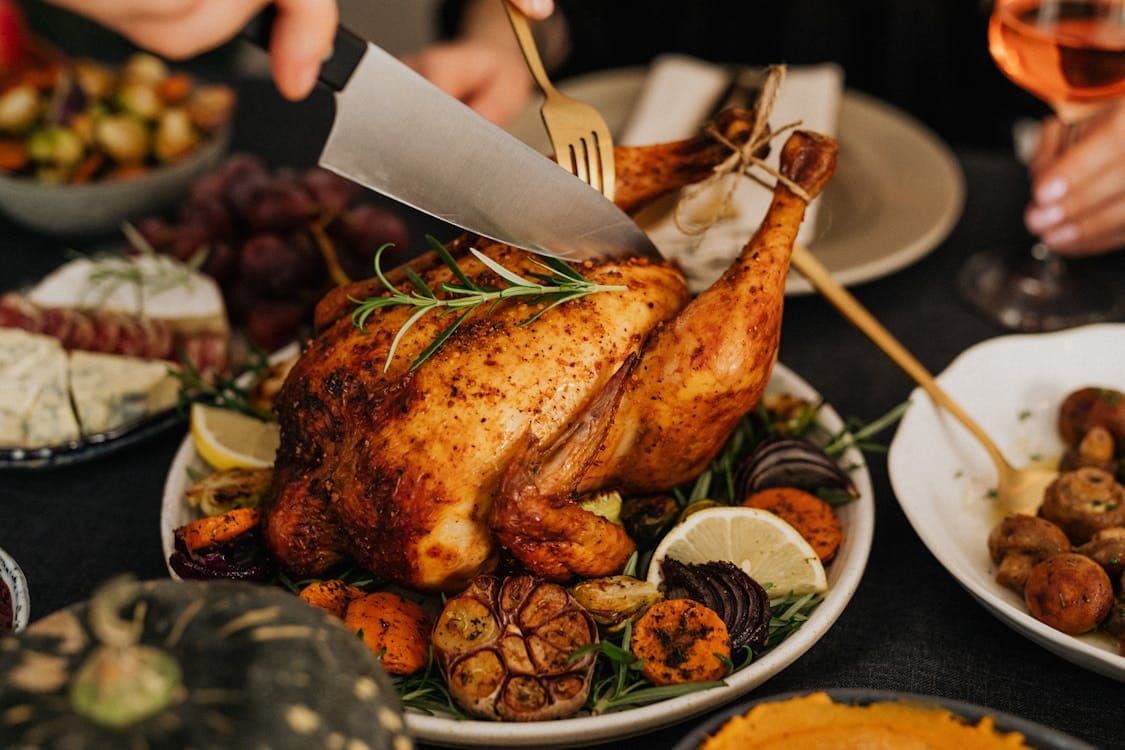
Every culture has its own rhythm when it comes to food. Some meals are quick and practical, others are slow rituals passed down through generations.
And yes, food is universal, but he way we eat, share, and celebrate it varies dramatically across cultures.
In every culture, there is at least one meal that carries more meaning than the rest, a moment when time slows down, people gather, and food becomes a shared language.
Understanding how different cultures approach their most important meals helps explain why guests behave the way they do in restaurants: how long they stay, how they order, and what they expect from the experience.
In Italy, Sunday lunch is the most important meal of the week.
Families gather around long tables, sometimes for hours, moving through multiple courses: antipasti, primi, secondi, contorni, dolci. No one is rushing. Conversation flows as easily as wine, and leaving the table early is almost impolite.
Restaurants in Italy are built around this rhythm. Tables are reserved for long periods, not rotated aggressively. Guests expect to linger. Rushing service is considered poor hospitality.
What it teaches us:
Guests from cultures with strong family-meal traditions value time, comfort, and uninterrupted dining more than speed.
Modern reservation systems help preserve this balance by allowing restaurants to manage seating intelligently, avoiding overbooking while still maintaining a full dining room.
In Spain, the meal doesn’t end when the plates are cleared.
It ends when the conversation does.
La sobremesa refers to the time spent sitting at the table after the meal. Coffee is served, conversation continues, and leaving immediately after eating feels unnatural. Coffee, desserts, and conversation can stretch for hours, especially during weekends and family gatherings.
Restaurants expect this. Tables are not immediately reset. Guests are encouraged to stay.
What it teaches us:
Table occupancy doesn’t always equal inefficiency. Sometimes, longer stays signal a successful guest experience.
From a business perspective, this means balancing table turnover with guest satisfaction, something only possible with smart planning and visibility over reservations.
In Japan, food is deeply connected to seasonality, balance, and respect.
One of the most symbolic examples is Osechi Ryōri, the traditional New Year’s meal.
Each dish has meaning:
Meals are carefully arranged in lacquered boxes, reflecting harmony and order. The philosophy extends to service as well. Attention to detail, quiet efficiency, and respect define the dining experience.
What it teaches us:
Great hospitality is intentional. Guests often perceive quality through organization, calmness, and attention to detail, not just flavor.
In Mexico, food is inseparable from emotion and tradition.
No celebration is complete without a table full of shared dishes.
During Día de los Muertos, families prepare meals not just to eat, but to honor loved ones who have passed. Food becomes a bridge between generations.
Meals are colorful, expressive, and deeply symbolic.
Restaurants that reflect Mexican culinary culture often emphasize:
What it teaches us:
Food can represent identity and heritage. When guests feel emotionally connected, loyalty follows naturally.
Around the world, people walk into restaurants by bringing expectations. The expectations are shaped by culture, upbringing, and experience.
Understanding these cultural traditions helps restaurants do more than serve food,
it helps them create memories worth returning for.
Guests may:
Smart reservation systems help restaurants:
By handling the logistics behind the scenes, technology allows restaurants to do what they’ve always done best: create meaningful moments around the table.
TechnologyThe Reservation and Customer Relation Management Tool Reservation.Tools become an official partner of “Reserve with Google”.
How to manage effectively the customer relationship for your restaurant
Direct communication with customers

How to launch a Christmas charity initiative for your restaurant
Have questions?
 App Store
 Google Play
 Web App