
 Technology
Increase the number of reservations of your restaurant with Google
The Reservation and Customer Relation Management Tool Reservation.Tools become an official partner of “Reserve with Google”.
12/15/2025
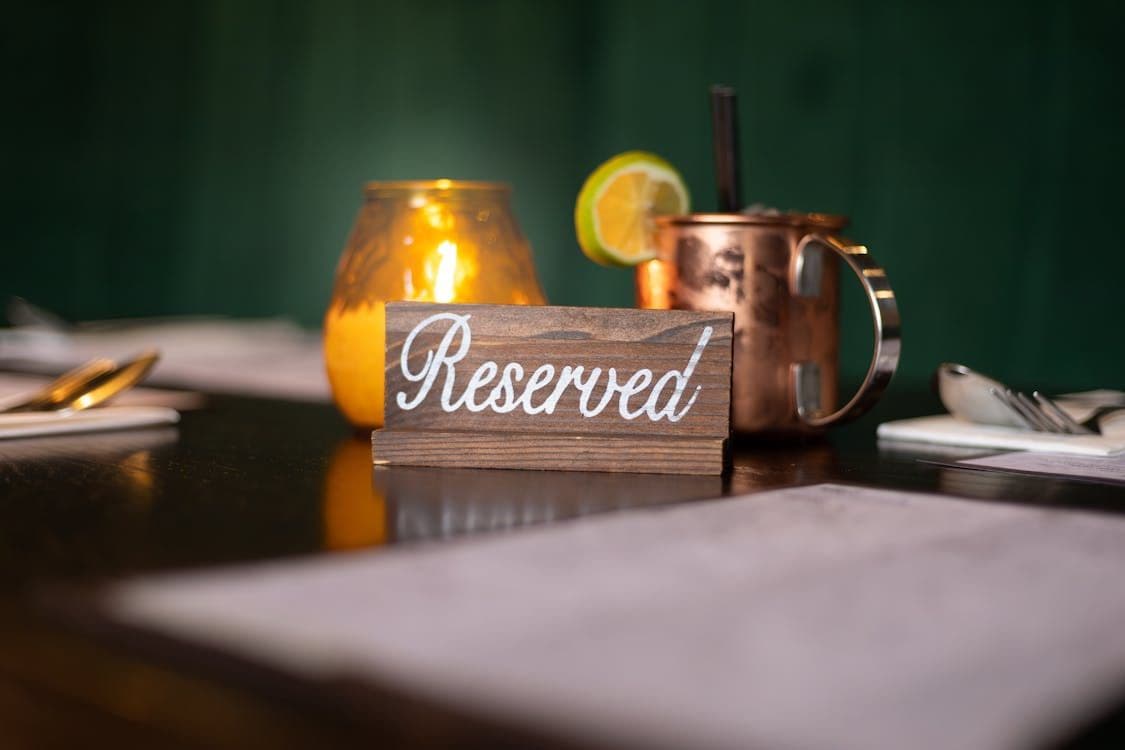
No-shows are one of the biggest challenges restaurants face. Every time a guest books a table but doesn’t arrive, it creates lost revenue, wasted resources, and missed opportunities to serve other customers. In some cases, even a 10% no-show rate can reduce profit margins significantly, especially for small or mid-sized venues where every cover matters.
But the impact goes beyond revenue: staff time is wasted, fresh ingredients are lost, and frustrated walk-in guests may be turned away even when seats later go unused. In today’s competitive industry, reducing no-shows is not just about protecting profits—it’s also about building trust and loyalty with your guests.
So, what is the best way to reduce no-shows? Below, we explore proven strategies, supported by technology and guest experience best practices, that can help your restaurant minimize empty tables and maximize efficiency.
Clear and consistent communication is your first line of defense. Automated confirmations via email or SMS not only reassure guests that their booking is secured but also keep your restaurant top of mind.
Best practices:
Tip: SMS reminders have a 98% open rate compared to email’s ~20%, making them highly effective.
One of the main reasons people don’t show up is simply forgetting to cancel. If cancellation requires calling during business hours, many won’t bother. By offering one-click cancellation or modification links in reminders, you make it painless for guests to update plans.
Result: Instead of losing the table, you can release it instantly back into your live booking system, improving your chances of filling the seat.
Financial commitment is one of the strongest deterrents to no-shows. Even a small deposit signals that the booking is serious.
Options to consider:
This approach has become industry standard in 2025, especially for high-demand restaurants, since it balances risk with guest accountability.
Pro tip: Position deposits not as penalties, but as part of a seamless digital reservation process, guests are used to prepaying for concerts, hotels, and flights.
A cancellation fee is a distinct model from deposits or prepayments. Instead of asking for money upfront, the venue requires customers to provide a valid credit card at the time of booking. The card is not charged immediately, but it allows the venue to apply a fee if the guest cancels late or does not show up at all.
How it works
Benefits
Example
A restaurant may set a cancellation fee of €25 per guest for bookings canceled less than 24 hours in advance. For high-demand slots, this ensures that last-minute changes have minimal financial impact on the venue.
Pro Tip
Communicate the policy clearly during booking and in confirmation messages. Guests are more likely to accept the terms when they see it framed as protecting the restaurant’s operations rather than penalizing customers.
Not all solutions need to be punitive. Rewarding loyal guests who consistently honor their bookings helps build positive habits. Restaurants can use CRM systems to track guest history and offer perks, such as priority booking, complimentary drinks, or exclusive access to events, for customers with a good track record.
Ideas to reward reliability:
With a good CRM system, you can track attendance history and personalize perks, making guests feel both valued and accountable.
When staff recognize a guest by name, reference past visits, or remember dining preferences, the customer feels valued and respected. This personalization creates stronger emotional connections, making it less likely for them to skip a booking without notice.
Using guest profiles, staff can:
This personal touch builds emotional connection—turning an “anonymous booking” into a relationship worth keeping.
Integrating a live availability checker ensures that every update—new reservations, cancellations, or modifications—is reflected across all booking channels instantly. This prevents double bookings, optimizes seating, and allows last-minute openings to be filled quickly, which softens the impact of no-shows.
Advantages:
For busy nights, this agility can mean the difference between empty tables and a fully booked dining room.
Technology is powerful, but a human touch still matters. For large groups or high-value reservations, a personal phone call on the day of the booking can make a big difference. A friendly reminder and confirmation from a staff member shows care and reduces the likelihood of a no-show.
Beyond tactics, restaurants should track and analyze no-show trends. Understanding patterns can help you design smarter policies.
Questions to explore:
Armed with this data, you can adjust deposit requirements, send stronger reminders, or double-check certain time slots.
The best way to reduce no-shows isn’t a single tactic, but a layered strategy. By combining clear communication, guest-friendly systems, financial safeguards, and personalized service, restaurants can protect revenue and deliver a smoother guest experience.
Ultimately, reducing no-shows is not just about filling tables—it’s about building mutual respect between guest and restaurant. When guests see that your restaurant values their time, they’re far more likely to return the favor.
TechnologyThe Reservation and Customer Relation Management Tool Reservation.Tools become an official partner of “Reserve with Google”.

How to manage effectively the customer relationship for your restaurant
Direct communication with customers

How to launch a Christmas charity initiative for your restaurant
Have questions?
 App Store
 Google Play
 Web App