
 Technology
Increase the number of reservations of your restaurant with Google
The Reservation and Customer Relation Management Tool Reservation.Tools become an official partner of “Reserve with Google”.
09/22/2025
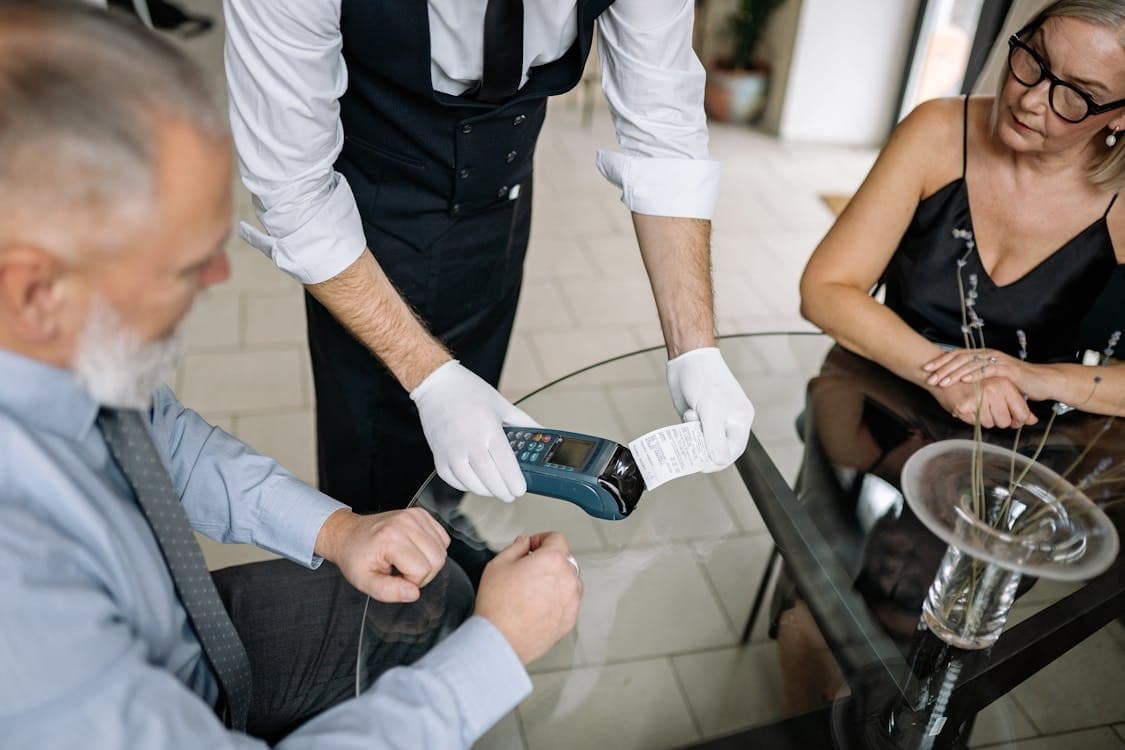
Today, tipping feels almost automatic. We tip at restaurants, cafés, hotels, and taxis, often without questioning why. But this wasn’t always the case. In fact, tipping began as something deeply controversial, even offensive.
So how did a small gesture of generosity turn into a global social expectation?
The concept of tipping dates back to the 16th century in Europe. Wealthy travelers would offer small sums of money to servants “to ensure promptness”, a phrase many believe later formed the word T.I.P.
At the time, tipping wasn’t about gratitude. It was a way for the elite to display status and superiority.
Offering a tip implied: I am above you, and I can afford to show it.
Not surprisingly, this idea was met with controversy from the start.
When tipping reached the United States in the late 1800s, it was widely criticized. Many Americans viewed it as un-American, a reminder of European class systems. In fact, several U.S. states attempted to ban tipping altogether, calling it undemocratic and exploitative. But despite resistance, tipping slowly took hold, particularly in hospitality, where it became tied to service wages and expectations.
Over time, tipping evolved from a voluntary reward into a social obligation.
In many countries today, servers depend heavily on tips to supplement low base wages. What began as a gesture of appreciation became a financial necessity, and eventually, a social rule.
This shift changed how guests behave:
The act became less about gratitude and more about social norms.
Around the world, tipping means very different things:
These differences reflect deeper cultural values around service, respect, and compensation.
Today, tipping is being questioned more than ever.
Guests wonder:
Restaurants, meanwhile, are experimenting with service charges, higher base pay, or tip-free models, all in search of fairness and transparency.
Tipping is a reflection of history, culture, and evolving social norms. It tells the story of how society values service, and the people who provide it.
TechnologyThe Reservation and Customer Relation Management Tool Reservation.Tools become an official partner of “Reserve with Google”.
How to manage effectively the customer relationship for your restaurant

Direct communication with customers

How to launch a Christmas charity initiative for your restaurant
Have questions?
 App Store
 Google Play
 Web App