
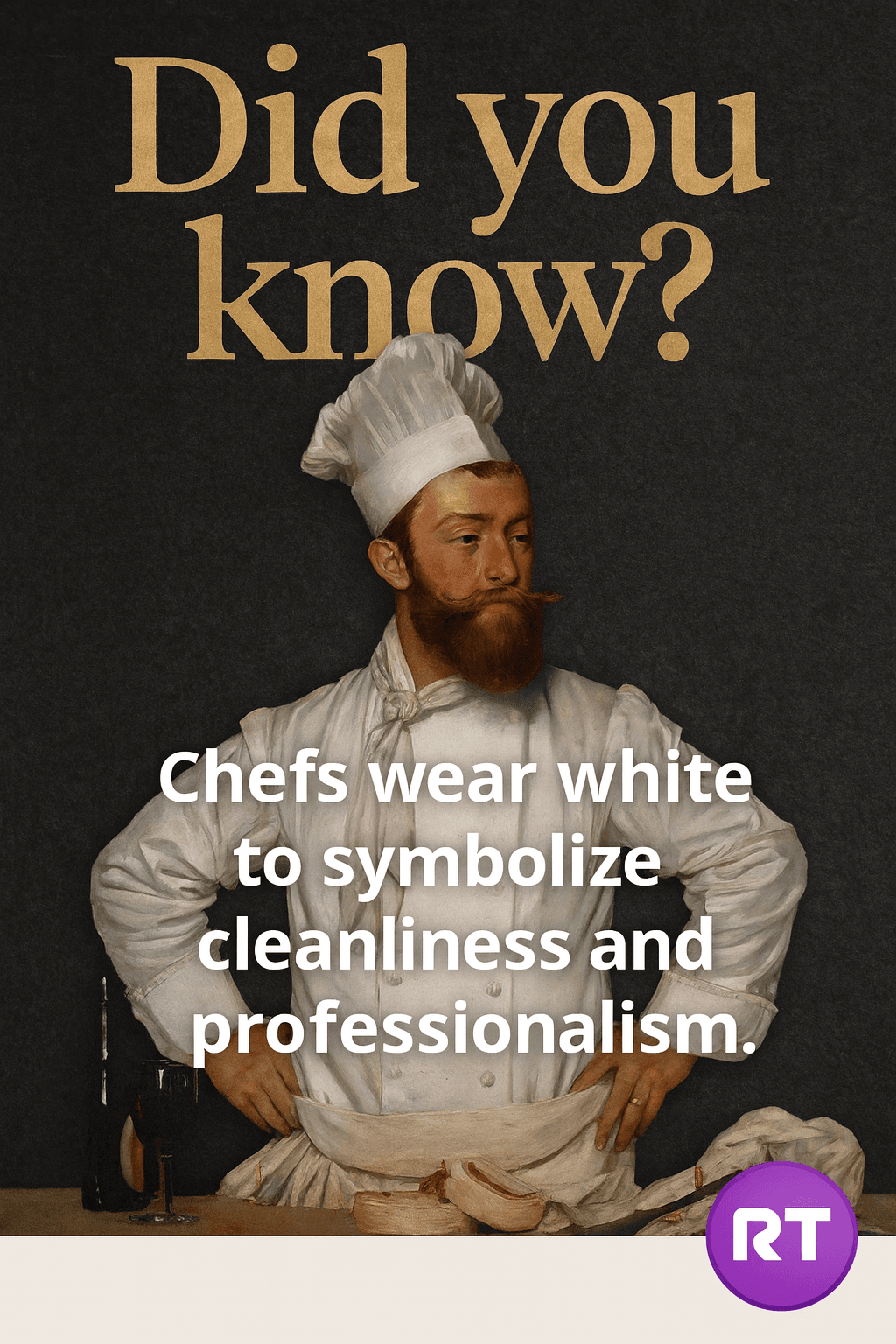
The chef’s uniform stands as one of the most recognizable symbols of professionalism and culinary mastery. Yet few guests know the story behind it.
It began with two legendary figures and visionaries: Carême & Escoffier
Often called the first celebrity chef, Carême believed that the kitchen should be elevated from a labor to an art form. He introduced the idea that chefs should dress with dignity, structure, and consistency, much like the military or the medical profession.
Decades later, Escoffier standardized kitchen hierarchy, discipline, and attire.
To him, the chef’s coat was part of a system: a clean, organized kitchen produced clean, organized cuisine.
Together, they set the foundation for what we know today.
Why White? The Psychology of Purity
White has always communicated:
- Cleanliness
- Honesty
- Precision
- Professional pride
Previously, there were no open kitchens, no stainless-steel kitchens or digital thermometers; choosing white was a deliberate decision.
A spotless white uniform showed the chef cared about hygiene long before “food safety standards” existed.
If a chef could keep white fabric clean… guests could trust everything else.
The Physics: White Reflects Heat
Kitchens in the 1800s were brutal. Imagine massive ovens, open flames, and no ventilation systems.
White reflects heat. Dark fabrics absorb it.
Even today, in a modern kitchen that runs full steam on a Friday night, the temperature easily rises to 35–45°C (95–113°F).
A white coat keeps the chef cooler, sharper, and safer.
The Double-Breasted Coat
Every detail of the traditional coat serves a purpose:
Buttoned for Safety
The thick cotton and double layer help protect against:
- steam burns
- splattering oil
- boiling liquids
- hot pans brushing against the torso
Reversible Panels
If the chef stains the front during service, they can:
- unbutton
- flip the coat
- rebutton the clean side outward
Instant professionalism restored, even in the middle of chaos.
It’s not fashion. It’s engineering.
Modern Variations
Today’s kitchens are more diverse, and chef wear has evolved with them.
Chefs now experiment with:
- Black coats (sleek, stylish, harder to stain)
- Denim or canvas (durable, casual, modern)
- Monochrome uniforms that match the restaurant’s brand
- Custom embroidered jackets with initials, logos, or awards
Some fine-dining establishments still uphold strict whites.
Others use the uniform as part of their identity, an extension of the restaurant’s story.
Why Uniforms Still Matter Today
Today, the chef’s coat continues to symbolize:
Professionalism -> Guests instantly feel more trust when staff look organized and consistent.
Hygiene -> Uniform standards communicate a restaurant’s values before the first dish arrives.
Team Identity -> The brigade system still relies on clarity, roles often indicated through coat details, color, or embroidery.
Brand -> Strength A sharp, unified appearance elevates the restaurant’s brand and guest perception.
A beautifully plated dish means more when it’s served by a team that looks like they care.
 App Store
 Google Play
 Web App