
 Technology
Increase the number of reservations of your restaurant with Google
The Reservation and Customer Relation Management Tool Reservation.Tools become an official partner of “Reserve with Google”.
12/01/2025
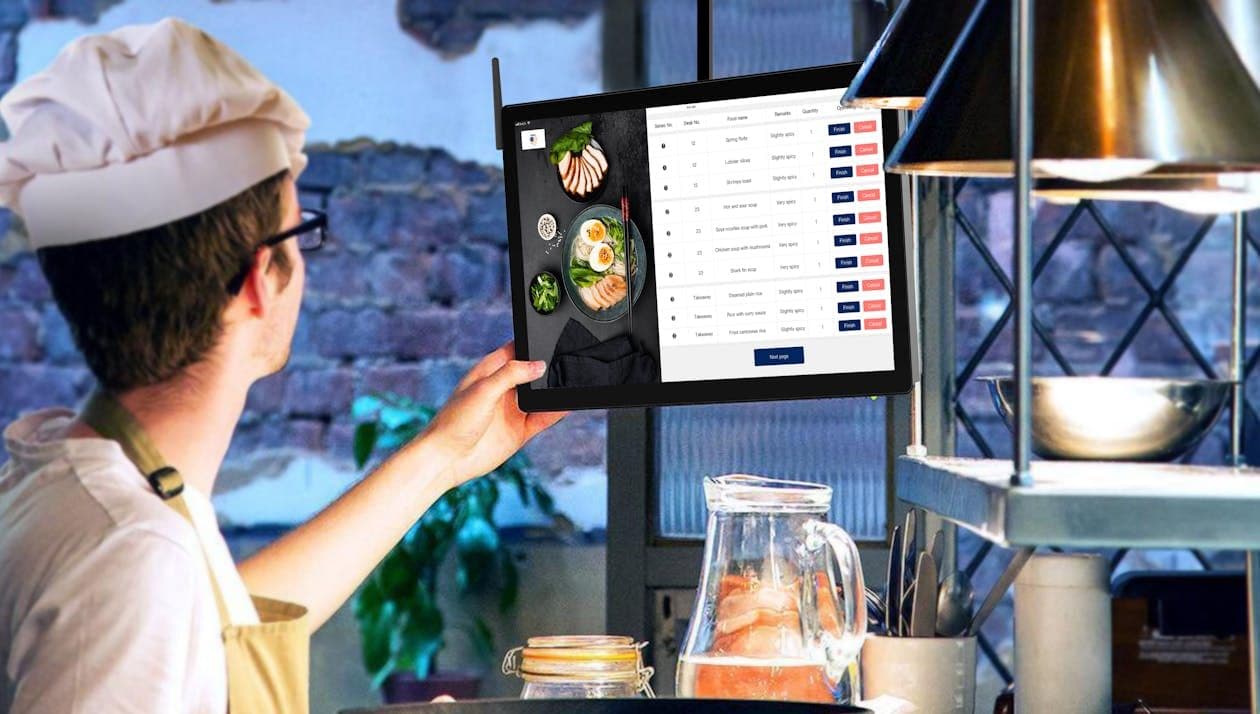
Restaurants often turn to marketplaces to generate bookings, but those platforms rarely give them control over the customer relationship. At first glance, it seems like a convenient solution: customers discover a venue, pick a time, and book a table in just a few clicks. However, behind this simplicity lies a structure that places the marketplace, not the restaurant, at the center of the interaction. The marketplaces act as intermediaries, limiting access to valuable guest data, standardizing the booking experience, and ultimately weakening the direct connection between the restaurant and the guest.
While these platforms may help fill tables, they do so on their terms, not yours. Your guests are treated as theirs. Your visibility depends on algorithms and ad budgets. And your ability to build loyalty is constrained by a system that is designed to keep control in the hands of the marketplace.
For restaurants that care about long-term growth, brand identity, and customer loyalty, this model creates real challenges. That’s why more and more operators are moving away from relying primarily on third-party marketplaces and are instead focusing on building their own direct booking and communication channels through their website, Google Business Profile, and social media presence. Marketplaces may still play a supporting role, but they are no longer at the center of the reservation strategy.
A marketplace acts as an intermediary between the restaurant and the customer. On one side, the restaurant is looking to sell a reservation. On the other hand, the customer is searching for a place to dine. The marketplace positions itself in between, controlling the booking and often giving the impression that the customer is booking with the platform, not directly with the restaurant. This is where the core issue lies.
At first, the impact seems positive: reservations start coming in, tables fill up, and the system appears to be working well. The benefit is immediate and visible, which makes the solution feel effective. However, this effect can be short-lived. Just as quickly as the momentum starts, it can slow down or disappear altogether, and when it does, many restaurants realize they haven’t built the direct customer base or communication channels needed to sustain their business independently.
Reservation marketplaces promise visibility and convenience. Customers browse a list, choose a time, and confirm their booking. On the surface, it works. But dig a little deeper, and you’ll find a system that prioritizes the marketplace’s brand over yours, limits your access to customer data, and quietly reshapes the relationship between you and your guests.
With every reservation processed through a third-party platform, you lose control over branding, communication, and the experience itself. Even more importantly, when a restaurant lacks its own booking channels, such as a website widget, Google Business integration, or direct links in social media, it starts to train its own customers to rely on the marketplace for future bookings.
As a result, guests who may have originally discovered the restaurant through another source begin associating their interaction with the platform, not the venue. Over time, the customer’s relationship shifts, not toward the restaurant, but toward the intermediary. This erodes direct communication, weakens brand loyalty, and limits the restaurant’s ability to build a stable, independent customer base
Managing your bookings gives you direct access to your guests, their preferences, history, and loyalty. Instead of being just one listing in a platform’s directory, you’re building a relationship on your terms. You control how reservations are handled, how guests are contacted, and how follow-ups are managed.
We are no longer talking about bookings. We are talking about the entire guest experience from first contact to post-visit engagement.
Marketplace platforms are not neutral. They operate on business models that often reward paid placements, promote competitors, or guide traffic away from your venue. If they change their algorithm, increase fees, or prioritize restaurants with larger marketing budgets, your visibility can suffer overnight.
Even more critically, they often restrict access to customer data. You know someone dined with you, but you don’t have the tools to reach out, say thank you, or invite them back.
It’s important to recognize that a marketplace operates as a business in its own right. If it decides to promote another venue or push a paid listing, your restaurant could suddenly lose visibility. That’s traffic and revenue you can’t control and shouldn’t be dependent on.
Independent and group-owned restaurants alike are rethinking their approach and taking back control of their guest relationships. Reservation Tools offer the same smooth, convenient booking experience that customers expect, but with full ownership of every interaction.
When you manage reservations directly, you define the tone, the timing, and the message. You turn a simple reservation into a branded experience that strengthens your relationship with every guest.
Reservation marketplaces often withhold crucial customer data such as full names, contact details, or visit history. This makes it difficult for restaurants to build long-term relationships, send personalized offers, or invite loyal guests to return. These elements are essential for growing a sustainable business.
Our approach is different: we don't stand between you and your guest, we stand behind your restaurant. Reservation Tools acts as a tool in your hands, not as a middleman. You receive reservations directly, along with all the customer information and the ability to follow up with personalized communication.
Your food, your service, your space, everything is carefully chosen to reflect your identity. The reservation experience should be no different. Letting a third-party platform act as the gateway to your restaurant weakens that identity and limits your ability to connect with your guests.
When you own your bookings, you own the experience. You decide what’s right for your guests. You stay in control of your data, your customer relationships, and your long-term success.
Smart restaurants are redefining how they manage guest relationships. Using their own booking systems strengthens their brand, protects their margins, and delivers a more personalized experience from the very first click. Don’t let a marketplace define how your guests find you. Own the experience and let that be part of what sets your restaurant apart.
Ready to take back control of your reservations and grow stronger customer relationships?
Let us show you how our Reservation Tools system can streamline operations and elevate your guest experience.
???? Contact us today for a personalized demo.
TechnologyThe Reservation and Customer Relation Management Tool Reservation.Tools become an official partner of “Reserve with Google”.

How to manage effectively the customer relationship for your restaurant
Direct communication with customers

How to launch a Christmas charity initiative for your restaurant
Have questions?
 App Store
 Google Play
 Web App